Today’s Bajri Rate in Pakistan
Bajri, also known as crush or coarse aggregate, is an important construction material in Pakistan used for concrete mixing, road construction, flooring, and foundations. It includes types like Sargodha Bajri and Margalla Bajri, with prices influenced by quality and size. As of , 2026, average rates range from Rs. 120 to Rs. 180 per cubic foot and Rs. 2,000 to Rs. 3,200 per ton. Key prices are: Sargodha Bajri at Rs. 120 – 155 per CFT and Margalla Bajri at Rs. 130 – 180 per CFT. Prices are lower near production areas and can fluctuate based on fuel costs, supply, and demand. Always confirm prices with local suppliers before buying.
Read Also: Cement Rates in Pakistan
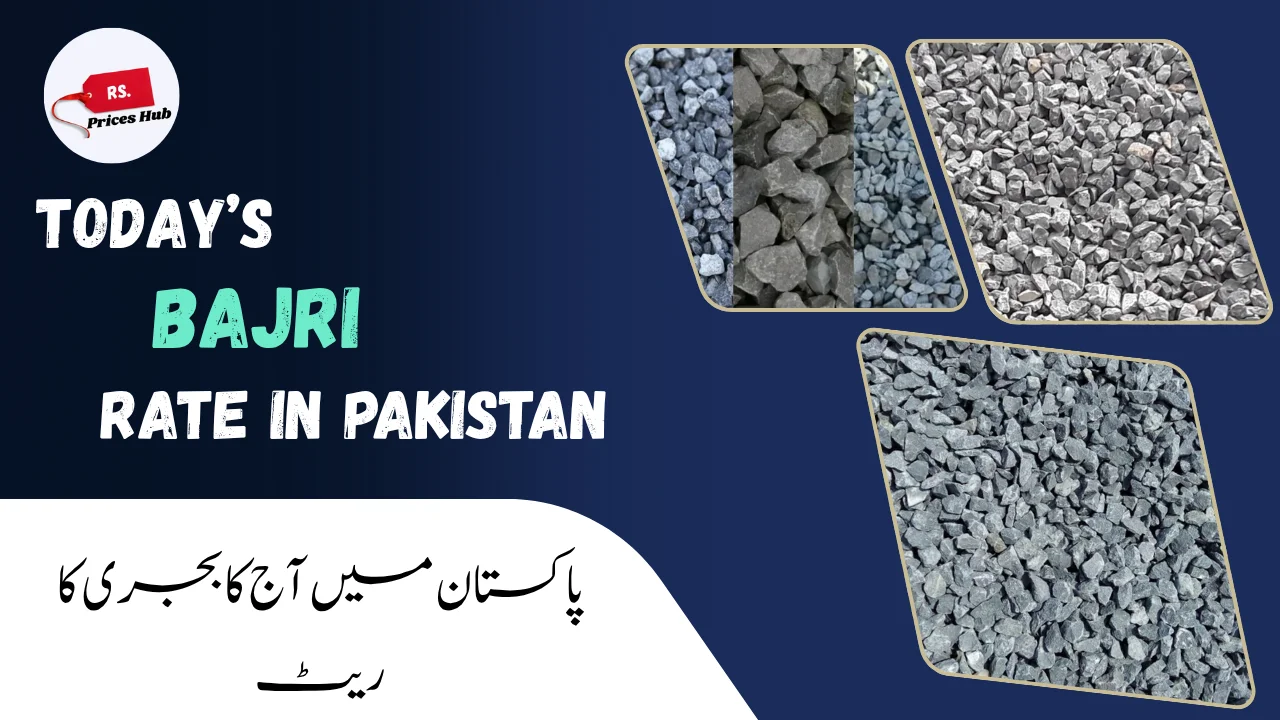
بجری، جسے کچلنے یا موٹے ایگریگیٹ کے نام سے بھی جانا جاتا ہے، پاکستان میں ایک اہم تعمیراتی مواد ہے جو کنکریٹ کے اختلاط، سڑک کی تعمیر، فرش اور بنیادوں کے لیے استعمال ہوتا ہے۔ اس میں سرگودھا باجری اور مارگلہ باجری جیسی اقسام شامل ہیں جن کی قیمتیں معیار اور سائز سے متاثر ہوتی ہیں۔ 2026 تک، اوسط شرحیں روپے سے لے کر ہوتی ہیں۔ 120 سے روپے 180 فی مکعب فٹ اور روپے 2,000 سے روپے 3,200 فی ٹن۔ اہم قیمتیں ہیں: سرگودھا باجری روپے میں۔ 120 – 155 فی CFT اور مارگلہ بجری روپے میں۔ 130 – 180 فی CFT۔ قیمتیں پیداواری علاقوں کے قریب کم ہیں اور ایندھن کی قیمت، رسد اور طلب کی بنیاد پر اتار چڑھاؤ آ سکتی ہیں۔ خریدنے سے پہلے ہمیشہ مقامی سپلائرز سے قیمتوں کی تصدیق کریں۔
Current Price of Bajri
| Bajri Type | Quantity | Price (PKR) |
| Margalla Bajri | 1 Cubic Foot | Rs. 130 – 140 |
| Margalla Bajri | 200 Cubic Feet | Rs. 26,000 – 28,000 |
| Sargodha Bajri | 1 Cubic Foot | Rs. 120 – 130 |
| Sargodha Bajri | 200 Cubic Feet | Rs. 24,000 – 26,000 |
Factors Influencing Bajri Prices
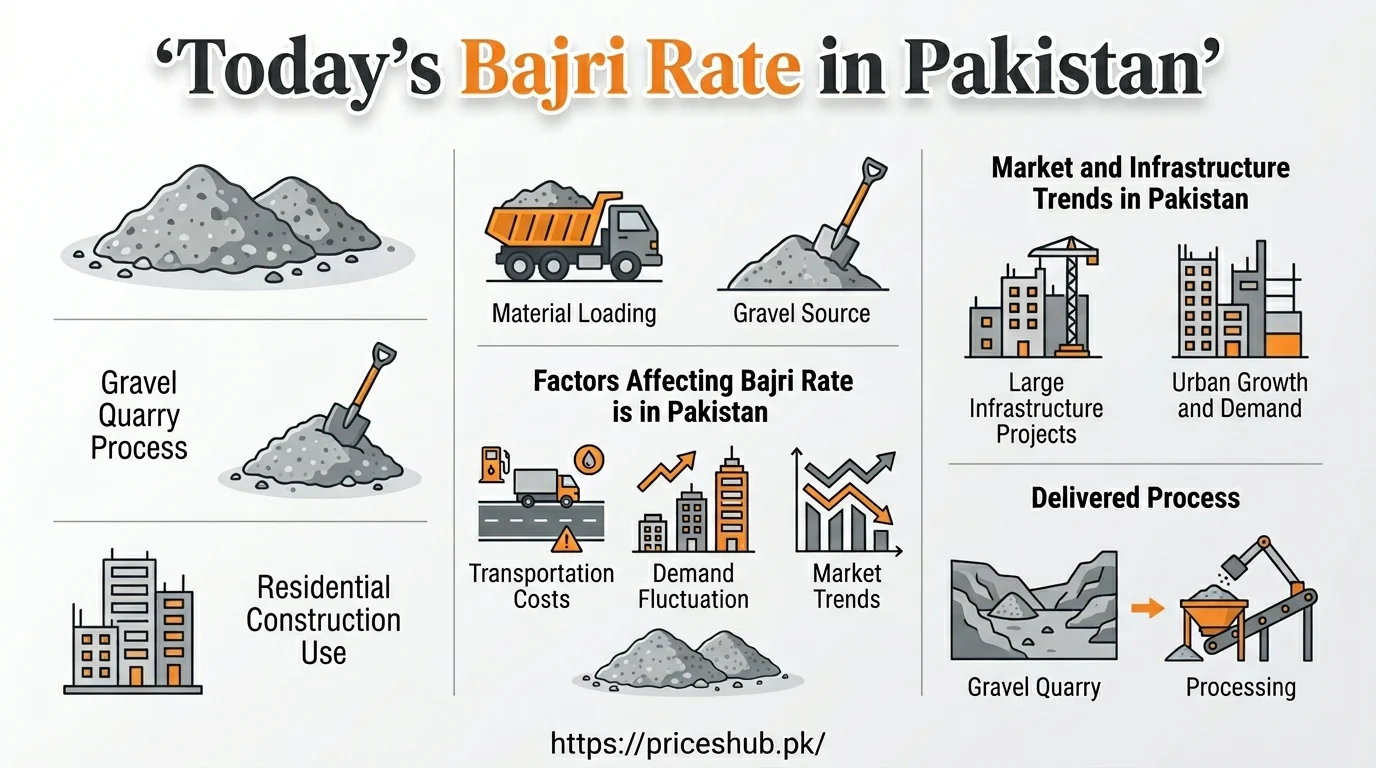
- Transportation Costs: The distance between crushing plants and urban centers plays a significant role in the overall price of bajri. Longer transport distances result in higher transportation costs.
- Quality and Size (Soter Type): The price of bajri is influenced by its quality and size. Finer grades, such as 2-soter, typically command higher prices compared to lower-grade options.
- Fuel Prices: The cost of fuel, particularly diesel, affects various aspects of the bajri supply chain, including loading, crushing, and transportation. As diesel prices rise, so do the associated costs.
- Construction Demand: High levels of construction activity in major cities often lead to increased demand for bajri, which in turn drives up its rates.
- Availability of Raw Stone: A shortage of raw materials in quarries can lead to price increases for bajri. Limited availability pushes prices upward due to supply constraints.
- Government Policies and Taxes: Changes in government policies, such as quarry permits, tax regulations, or other restrictions, can significantly impact the pricing of bajri in the market.
Regional Price Variations
- In Punjab, particularly in the regions of Lahore and Gujranwala, prices for construction materials are generally moderate. This is largely due to the presence of numerous nearby crushing plants that help maintain a stable supply.
- In contrast, Karachi and Sindh tend to see higher rates. This is primarily due to the long-distance transportation required for materials sourced from northern quarries, which adds to the overall cost.
- In Khyber Pakhtunkhwa (KP), prices can be more favorable, especially in areas rich in quarries, such as Swat and Abbottabad, where the proximity to raw materials helps reduce costs.
Read Also: Tile Bond Price in Pakistan
- Balochistan presents a varied pricing landscape, as costs can fluctuate significantly. This variation is attributable to the limited number of crushing facilities and the long transport routes required for material distribution.
- In the Northern Areas, such as regions near the mountains, bajri (washed gravel) tends to be more affordable. This is because of the abundance of raw stone in these mountainous areas, reducing transportation and processing costs.
- Finally, it’s worth noting that there is a marked difference in prices between urban and rural areas. Major cities typically exhibit a higher demand for construction materials, which drives prices up compared to rural locations.
Tips For Purchasing Bajri
- Compare Prices: Gather quotes from various suppliers to find the best deal.
- Assess Quality and Size: Ensure that the materials meet your quality standards and check the specific sizes you require.
- Confirm Weight or Volume: Always verify the weight or volume of the order before it is delivered to avoid discrepancies.
- Check Transport and Loading Charges: Understand the transport and loading fees that may apply to your order, as these can affect the overall cost.
- Choose Trusted Suppliers: Opt to purchase from reputable or local crushing plants to ensure reliability and support local businesses.
- Timing is Key: Try to avoid ordering on peak-demand days, as this can help you secure better pricing.
Conclusion
Bajri is a vital construction material commonly used throughout Pakistan, with its price subject to fluctuations influenced by factors such as location, quality, transportation, and market demand. Keeping informed about the latest prices is crucial for builders, contractors, and homeowners alike, as it aids in making informed budgeting decisions. By grasping the primary elements that affect pricing and adhering to fundamental purchasing guidelines, individuals can achieve better value, minimize unnecessary expenses, and acquire dependable materials for their construction projects.
باجری ایک اہم تعمیراتی مواد ہے جو عام طور پر پورے پاکستان میں استعمال ہوتا ہے، اس کی قیمت کے اتار چڑھاو سے مشروط ہے جیسے کہ محل وقوع، معیار، نقل و حمل، اور مارکیٹ کی طلب۔ تازہ ترین قیمتوں کے بارے میں آگاہ رکھنا بلڈرز، ٹھیکیداروں اور گھر کے مالکان کے لیے یکساں طور پر اہم ہے، کیونکہ یہ باخبر بجٹ کے فیصلے کرنے میں مدد کرتا ہے۔ قیمتوں پر اثر انداز ہونے والے بنیادی عناصر کو سمجھنے اور خریداری کے بنیادی رہنما خطوط پر عمل کرنے سے، افراد بہتر قیمت حاصل کر سکتے ہیں، غیر ضروری اخراجات کو کم کر سکتے ہیں، اور اپنے تعمیراتی منصوبوں کے لیے قابل اعتماد مواد حاصل کر سکتے ہیں۔
FAQ’s
What is the average bajri price in Pakistan today?
The average price of bajri varies from 120 to 140 PKR per cubic foot, depending on the region and quality.
Why do bajri prices differ between cities?
Prices fluctuate based on transportation distance, crushing plant availability, local demand, and fuel costs.
Which type of bajri is considered best for construction?
Margalla bajri is highly preferred due to its strength and durability, making it suitable for concrete and structural applications.