Pulses Price in Pakistan Today
This article explores the factors influencing pulses prices in Pakistan and their impact on consumers. Pulses, such as daal chana, masoor, mash, and moong, are essential and affordable protein sources for both rural and urban households. Price fluctuations directly affect the budgets of ordinary families. It discusses current price trends, market influences, supply-chain challenges, government policies, and expectations for the near future.
Read Also: Sufi Products Price List in Pakistan
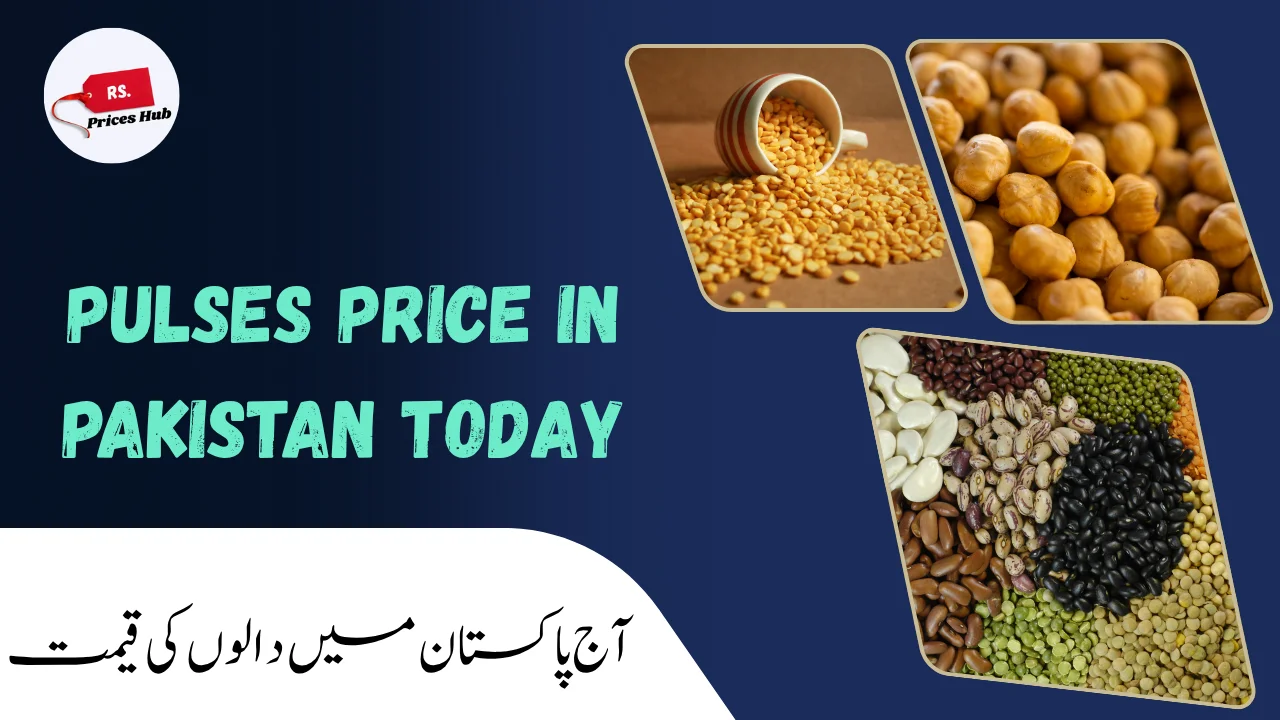
یہ مضمون پاکستان میں دالوں کی قیمتوں پر اثر انداز ہونے والے عوامل اور صارفین پر ان کے اثرات کو تلاش کرتا ہے۔ دالیں، جیسے دال چنا، مسور، ماش، اور مونگ، دیہی اور شہری دونوں گھرانوں کے لیے ضروری اور سستی پروٹین کے ذرائع ہیں۔ قیمتوں میں اتار چڑھاؤ براہ راست عام خاندانوں کے بجٹ کو متاثر کرتا ہے۔ اس میں قیمت کے موجودہ رجحانات، مارکیٹ کے اثرات، سپلائی چین کے چیلنجز، حکومتی پالیسیوں اور مستقبل قریب کی توقعات پر تبادلہ خیال کیا گیا ہے۔
Different Pulses Types and Their Prices in Pakistan
In Pakistan, various types of pulses are cultivated and consumed. Let’s explore some of the commonly found pulses and their corresponding prices in the local market:
- Daal Chana (Split Bengal Gram)
- Daal Masoor (Red Lentil)
- Daal Moong (Yellow Split Moong)
- Daal Mash (White Lentil)
- Black Chana (Kala Chana)
- White Chana (Chickpeas)
- Arhar / Toor Daal (Pigeon Pea – less common in some regions)
Mong Daal Prices
Daal Mong is a popular and affordable pulse in Pakistan, valued for its nutritional benefits. It typically costs between 225 to 250 PKR per kilogram, making it an economical protein source for many households, contributing to its widespread appeal among consumers.
| Mong Daal Type | 1 KG Price | 40 KG Price |
| Sabat Mong Chota | Rs. 234 | Rs. 9360 |
| Mong Chehlka | Rs. 240 | Rs. 9600 |
| Sabat Mong Bara | Rs. 245 | Rs. 9800 |
Chana Daal Prices
Chana daal pricing in Pakistan varies, generally ranging from Rs. 138 to Rs. 140 per kilogram. White chana is priced at Rs. 336 per kilogram, while 7MM Sufaid Chana costs Rs. 225 per kilogram. Kala Chana variants range from Rs. 250 to Rs. 275 per kilogram.
| Chana Dal Type | 1 KG Rate | 40 KG Rate |
| Sufaid Chana 9mm | Rs. 225 | Rs. 9000 |
| Kala Chana Mota | Rs. 272 | Rs. 10880 |
| Sufaid Chana 7mm | Rs. 215 | Rs. 8600 |
| Kala Chana Chota | Rs. 245 | Rs. 9800 |
| Chane Ki Daal Choti | Rs. 255 | Rs. 10200 |
| Chane Ki Daal Bari | Rs. 265 | Rs.10600 |
Sabut Dal Masoor Rate
Sabut Masoor is a common staple in Pakistani families, priced at Rs. 238 per kilogram. A higher-cost variant, Sabat Masoor Bara, is available for around Rs. 251. These affordable pricing options make Masoor daal accessible to consumers.
| Sabut Dal Type | Price of 1 KG | Price of 40 KG |
| Sabat Masoor Bara | Rs. 251 | Rs. 1040 |
| Sabat Masoor Chota | Rs. 238 | Rs. 9520 |
Daal Red Masoor Prices
Daal red masoor is a nutritious food available in Pakistani markets for Rs 240 per kilogram, making it a great option for those seeking protein-rich diets.
| Pulse Name | 1 KG Price | 40 KG Price |
| Dal Lal Masoor | Rs. 240 | Rs. 9600 |
Daal Mash Prices
Daal mashing, a well-known dish in Pakistani cuisine, is currently priced at approximately 350 rupees per kilogram. This higher cost is attributed to production limitations and market fluctuations, particularly the limited supply available.
| Pulse Name | Weight | Price (PKR) |
| Daal Mash | 1 KG | Rs. 366 |
| Daal Mash Chilka | 1 KG | Rs. 370 – 550 |
Factors Affecting Pulses Prices in Pakistan Today
- Import Dependence: Pakistan heavily imports pulses, and increases in global prices or the dollar value lead to higher local prices.
- Seasonal Supply Fluctuations: Local production varies due to factors like weather, rainfall, soil conditions, and crop diseases, impacting prices.
- Transport and Fuel Costs: Rising fuel prices escalate transportation costs, affecting both wholesale and retail prices.
- Middlemen and Market Mechanisms: Multiple intermediaries can manipulate prices, resulting in sudden increases.
- Government Policies and Import Tariffs: Changes in import duties, subsidies, and support price policies directly influence pulse prices.
- International Market Trends: Reliance on imports means that global supply issues, such as drought or geopolitical tensions, directly affect local prices.
Key Features of Pulses
- High in Protein: Pulses serve as an excellent source of plant-based protein, making them suitable for healthy and balanced meal plans.
- Rich in Fiber: They aid digestion, help regulate cholesterol levels, and promote a healthy gut.
- Affordable and Widely Available: Pulses are cost-effective and readily accessible, positioning them as a staple in many households.
- Long Shelf Life: They can be stored for extended periods without spoiling, adding to their convenience for both home and commercial use.
- Nutrient-Dense: Pulses offer vital vitamins, minerals, and antioxidants, including iron, potassium, folate, and magnesium.
City-Wise Price Variation
The prices of pulses usually fluctuate among major cities because of:
- Transportation distance
- The presence of wholesale markets
Read Also: Roasted Black Chilghoza (Pine Nuts) Price In Pakistan

- Consumer demand and buying capacity
- Local taxes and market charges
Karachi generally exhibits somewhat lower prices because of its closeness to ports, whereas northern areas may experience elevated rates owing to extended transport routes.
What to Expect in the Coming Months
Consumers can anticipate moderate variations influenced by global market trends.
- A potential short-term rise could occur if fuel prices increase.
- If imports stay steady and supply is sufficient, prices should remain stable.
- Prices may decrease during the peak harvesting periods.
Government oversight and enhanced supply chain management could contribute to more stable costs.
Tips for Consumers to Manage Rising Pulse Prices
- Buy pulses in bulk when prices are low.
- Opt for local varieties during the off-seasons.
- Compare prices between supermarkets and local stores.
- Seek out discount days or wholesale markets (mandis).
- Store pulses in airtight containers to maintain their quality.
Conclusion
Pulses play a crucial role in the Pakistani diet, valued for their affordability, nutritional benefits, and versatility in various dishes. While prices can vary due to factors such as import dependency, fluctuations in fuel costs, seasonal availability, and global market trends, consumers can navigate these changes by adopting strategic purchasing habits. With improvements in government regulation and more stable import processes, it is anticipated that pulse prices will remain relatively stable in the coming months.
یہ مضمون پاکستان میں دالوں کی قیمتوں پر اثر انداز ہونے والے عوامل اور صارفین پر ان کے اثرات کو تلاش کرتا ہے۔ دالیں، جیسے دال چنا، مسور، ماش، اور مونگ، دیہی اور شہری دونوں گھرانوں کے لیے ضروری اور سستی پروٹین کے ذرائع ہیں۔ قیمتوں میں اتار چڑھاؤ براہ راست عام خاندانوں کے بجٹ کو متاثر کرتا ہے۔ اس میں قیمت کے موجودہ رجحانات، مارکیٹ کے اثرات، سپلائی چین کے چیلنجز، حکومتی پالیسیوں اور مستقبل قریب کی توقعات پر تبادلہ خیال کیا گیا ہے۔
FAQ’s
Why do pulse prices keep changing in Pakistan?
Pulse prices fluctuate due to import dependency, fuel costs, seasonal production variations, and global market trends.
Which pulses are the most affordable right now?
Daal moong, chana daal, and masoor generally remain more budget-friendly compared to higher-priced options like daal mash.
How can consumers save money when buying pulses?
Purchase in bulk during low-price periods, compare rates across different markets, and store pulses correctly to prevent spoilage.