Fly Ash Brick Price in Pakistan
Fly ash bricks (FAB) have gained popularity over traditional clay bricks in Pakistan due to their eco-friendly and cost-effective characteristics. Made from fly ash, sand, cement, and water, these machine-made masonry units offer a sustainable alternative to clay bricks. They are lighter, more uniform, energy-efficient, and environmentally friendly. The article provides a comprehensive guide on fly ash brick prices in Pakistan, factors affecting these prices, cost calculations for projects, and practical buying tips, while also comparing them to traditional clay bricks.
Read Also: Cement Block Price today in Pakistan
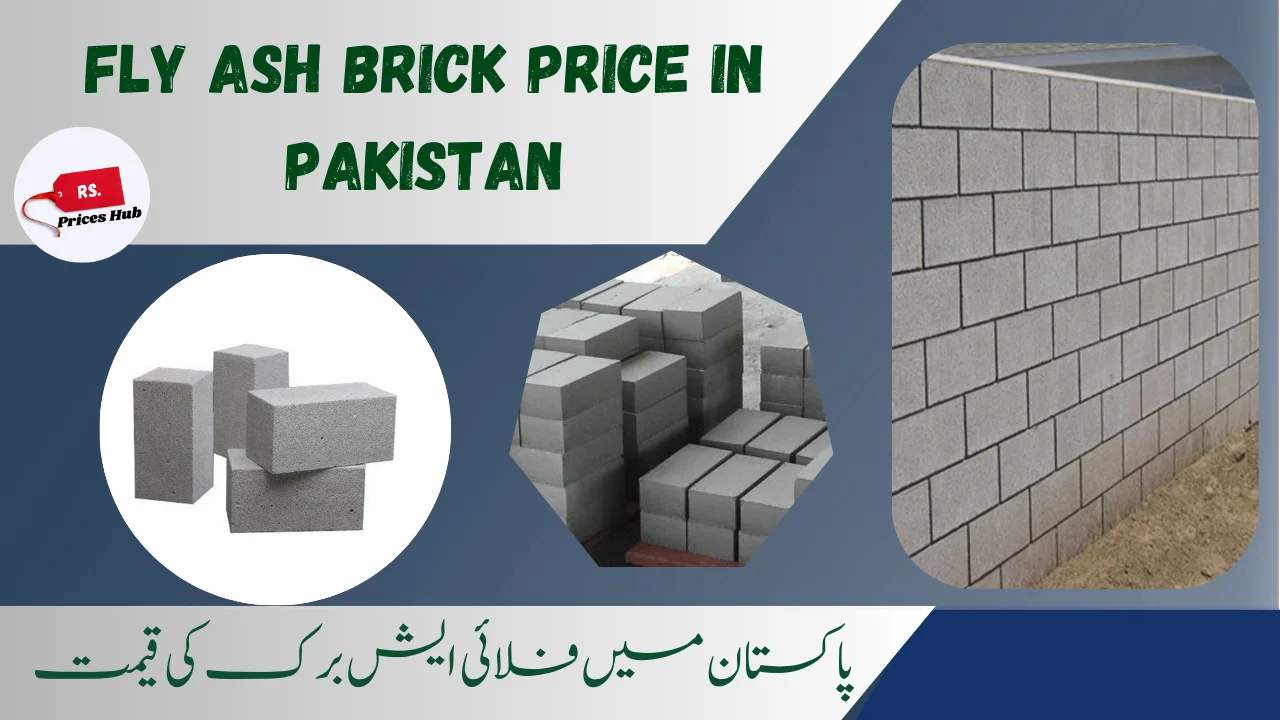
فلائی ایش برکس (FAB) نے پاکستان میں روایتی مٹی کی اینٹوں پر اپنی ماحول دوست اور کم لاگت خصوصیات کی وجہ سے مقبولیت حاصل کی ہے۔ فلائی ایش، ریت، سیمنٹ اور پانی سے بنی، یہ مشینی چنائی کے یونٹ مٹی کی اینٹوں کا ایک پائیدار متبادل پیش کرتے ہیں۔ وہ ہلکے، زیادہ یکساں، توانائی کی بچت اور ماحول دوست ہیں۔ یہ مضمون پاکستان میں فلائی ایش اینٹوں کی قیمتوں، ان قیمتوں کو متاثر کرنے والے عوامل، منصوبوں کے لیے لاگت کے حساب کتاب، اور روایتی مٹی کی اینٹوں سے ان کا موازنہ کرنے کے ساتھ ساتھ خریداری کی عملی تجاویز کے بارے میں ایک جامع رہنمائی فراہم کرتا ہے۔
Specifications
| Length (mm) | 235 ± 5 |
| Width (mm) | 115 ± 5 |
| Depth/Height (mm) | 72 ±3 |
| Compression Strength (When Dry) | ≥ 2000 PSI |
| Water Absorption | < 20% (of dry weight) |
| Weight of Fly Ash Brick | 3 – 3.2 kg |
Fly Ash Brick Price Today
| City Name | Price/ 1 Fly Ash brick | Price/ 1000 Fly Ash brick |
| Lahore | Rs 15 – 17 | Rs 15000 – 17000 |
| Faislabad | Rs 13 – 15 | Rs 13000 – 15000 |
| Nankana Sahib | Rs 13 – 15 | Rs 13000 – 15000 |
| Sheikhupura | Rs 14 – 16 | Rs 14000 – 16000 |
| Multan | Rs 13 – 15 | Rs 13000 – 15000 |
| Karachi | Rs 16 – 18 | Rs 16000 – 18000 |
| Islamabad | Rs 15 – 17 | Rs 15000 – 17000 |
| Peshawar | Rs 14 – 16 | Rs 14000 – 16000 |
| Hyderabad | Rs 15 – 17 | Rs 15000 – 17000 |
| Gujranwala | Rs 14 -16 | Rs 14000 – 16000 |
Factors Affecting Fly Ash Brick Prices
- Raw Material Costs: The prices of key materials such as cement, sand, and fly ash play a significant role in determining brick rates. Fluctuations in these costs can directly impact the final price of bricks.
- Quality & Grade: Bricks are available in various grades, with higher-strength, A-grade bricks typically commanding higher prices compared to lower-grade options. The quality of the brick significantly influences its cost.
- Manufacturing Method: The production method also affects pricing. Fully automated manufacturing plants tend to produce bricks that are more expensive but offer greater consistency in quality.
- Transportation Charges: The distance from the manufacturing facility to the delivery location is another crucial factor. Longer transport distances increase delivery costs, which are then reflected in the final price of the bricks.
- Demand & Seasonality: Brick prices tend to rise during peak construction seasons due to increased demand and may decrease during the off-season when construction activity slows.
- Location & Availability: Proximity to production facilities can lead to lower brick prices in certain areas, while remote locations often face higher transportation costs, resulting in elevated prices.
Fly ash bricks vs red bricks comparison
Compare With: Bricks Rate Today in Pakistan
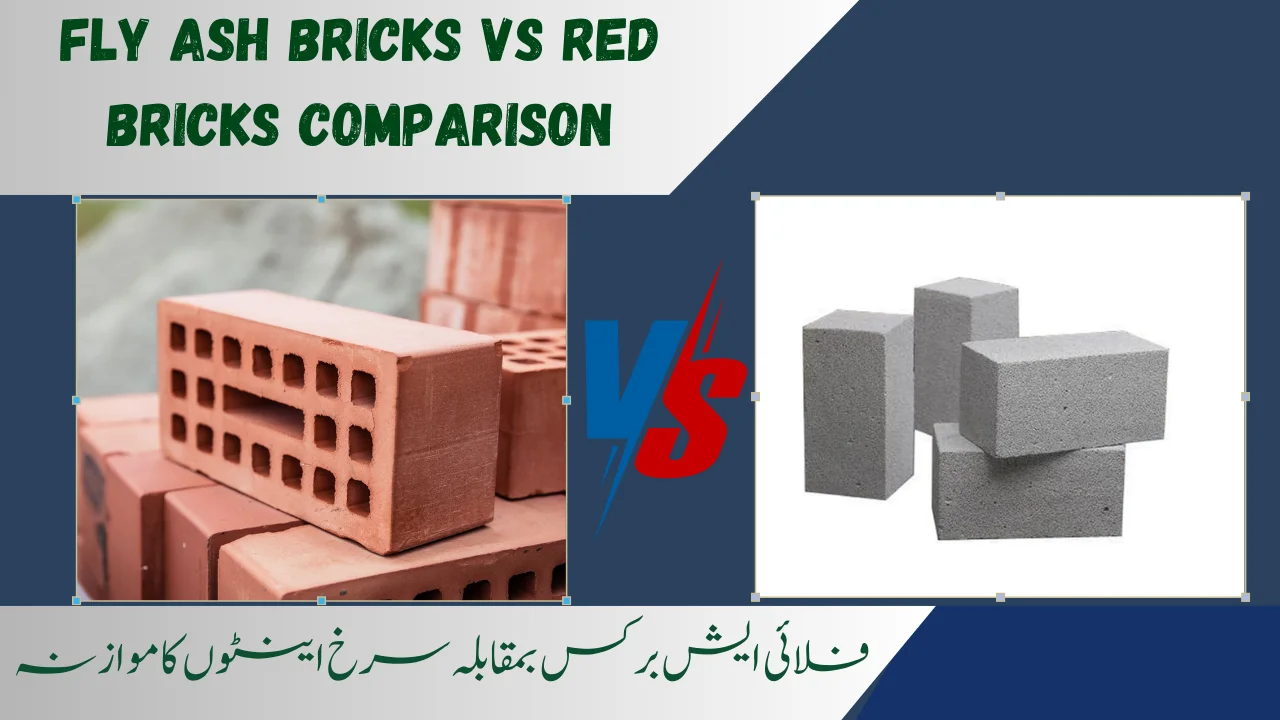
| Feature | Fly Ash Bricks | Red (Clay) Bricks |
| Material | Made from fly ash, cement, and sand | Made from clay and baked in kilns |
| Strength | High and uniform strength | Strength varies by kiln and clay quality |
| Weight | Lighter | Heavier |
| Water Absorption | Low (less seepage) | Higher (more seepage risk) |
| Size Accuracy | Very accurate, uniform | Often uneven in size |
| Eco-Friendliness | Eco-friendly (uses industrial waste) | Not eco-friendly (uses topsoil, causes pollution) |
| Cost | Slightly cheaper or similar, depending on the area | Varies; often higher due to kiln fuel cost |
| Mortar Usage | Less mortar due to uniform size | More mortar is needed to adjust the uneven sizes |
| Durability | Highly durable | Durable but depends on clay quality |
| Finish | Smooth finish, less plaster required | Rougher finish, more plaster needed |
Advantages of Fly Ash Bricks
- Eco-Friendly: This material is produced using industrial waste, which helps reduce environmental pollution and promotes sustainability.
- High Strength: It boasts remarkable durability, making it resistant to cracks and ensuring a long-lasting performance.
- Uniform Size: The precise dimensions of each unit minimise the amount of mortar required during installation, while also enhancing the overall finish of the project.
- Low Water Absorption: Its reduced water absorption means less seepage, providing better resistance to moisture-related issues.
- Cost-Effective: Utilising this material can lead to significant savings on plaster, mortar, and long-term maintenance costs.
Tips For Choosing a Right Supplier
When selecting a supplier for fly ash bricks, it’s important to consider several key factors to ensure a successful partnership:
- Experience and Reputation: Choose a supplier with a proven track record in the industry. Research their reputation by looking for positive customer feedback and testimonials, which can indicate their reliability and quality of service.
- Product Quality: Prioritize the quality of the bricks, as this is crucial for your construction project. To find high-quality fly ash bricks, explore both local stores and well-known brands. Interestingly, local suppliers may sometimes offer products that match or exceed the quality of established brands.
- Delivery and Logistics: Confirm that the supplier has reliable delivery services. Efficient transportation of the bricks to your construction site is essential to keep your project on schedule.
- Customer Support: Opt for a supplier that provides excellent customer support. They should be responsive and able to address any questions or concerns you may have, ensuring a smooth purchasing experience.
By considering these factors, you can choose a supplier that meets your needs and contributes to the success of your construction project.
Conclusion
Fly ash bricks have emerged as a dependable, affordable, and environmentally friendly substitute for traditional red bricks in Pakistan. Their uniform size, high durability, low water absorption, and competitive pricing across major cities make them highly valuable for both residential and commercial construction. While prices fluctuate based on raw materials, transportation, and market demand, fly ash bricks typically yield better long-term savings because of reduced mortar use and minimal maintenance requirements. Selecting a reliable supplier, one that is known for quality products, a good reputation, and dependable delivery, ensures that your project reaps the full advantages these modern bricks provide.
فلائی ایش کی اینٹیں پاکستان میں روایتی سرخ اینٹوں کے قابل بھروسہ، سستی اور ماحول دوست متبادل کے طور پر ابھری ہیں۔ بڑے شہروں میں ان کا یکساں سائز، اعلی پائیداری، کم پانی جذب، اور مسابقتی قیمتیں انہیں رہائشی اور تجارتی دونوں طرح کی تعمیر کے لیے انتہائی قیمتی بناتی ہیں۔ اگرچہ خام مال، نقل و حمل اور مارکیٹ کی طلب کی بنیاد پر قیمتوں میں اتار چڑھاؤ آتا ہے، فلائی ایش کی اینٹیں عام طور پر کم مارٹر کے استعمال اور کم سے کم دیکھ بھال کی ضروریات کی وجہ سے طویل مدتی بچت کرتی ہیں۔ ایک قابل بھروسہ سپلائر کا انتخاب، جو معیاری مصنوعات، اچھی شہرت، اور قابل بھروسہ ڈیلیوری کے لیے جانا جاتا ہے، اس بات کو یقینی بناتا ہے کہ آپ کا پروجیکٹ ان جدید اینٹوں سے فراہم کردہ مکمل فوائد حاصل کرے۔
FAQ’s
Are fly ash bricks cheaper than red bricks?
Often yes. In many cities, fly ash bricks cost slightly less or similar, but overall wall construction is cheaper due to less mortar and better finish.
Are fly ash bricks good for house construction?
Yes, their high strength, uniform size, and low water absorption make them ideal for residential and multi-storey buildings.
Do fly ash bricks require plaster?
Typically, less plaster is required. The smooth and even surface allows for a thinner plaster layer compared to uneven red bricks.