Petrol price in Pakistan today, 1st October 2025
On 1st October 2025, the petrol price in Pakistan was announced as Rs 268.68 per litre, with an increase of Rs 4.07. The diesel price was set at Rs 276.81 per litre, rising by Rs 4.04. Petroleum prices are adjusted every two weeks and are determined by the federal government and the Oil and Gas Regulatory Authority, influenced by government policies, economic conditions, and geopolitical factors.
know more about: Previous Petrol Price in Pakistan Today: 16 September 2025
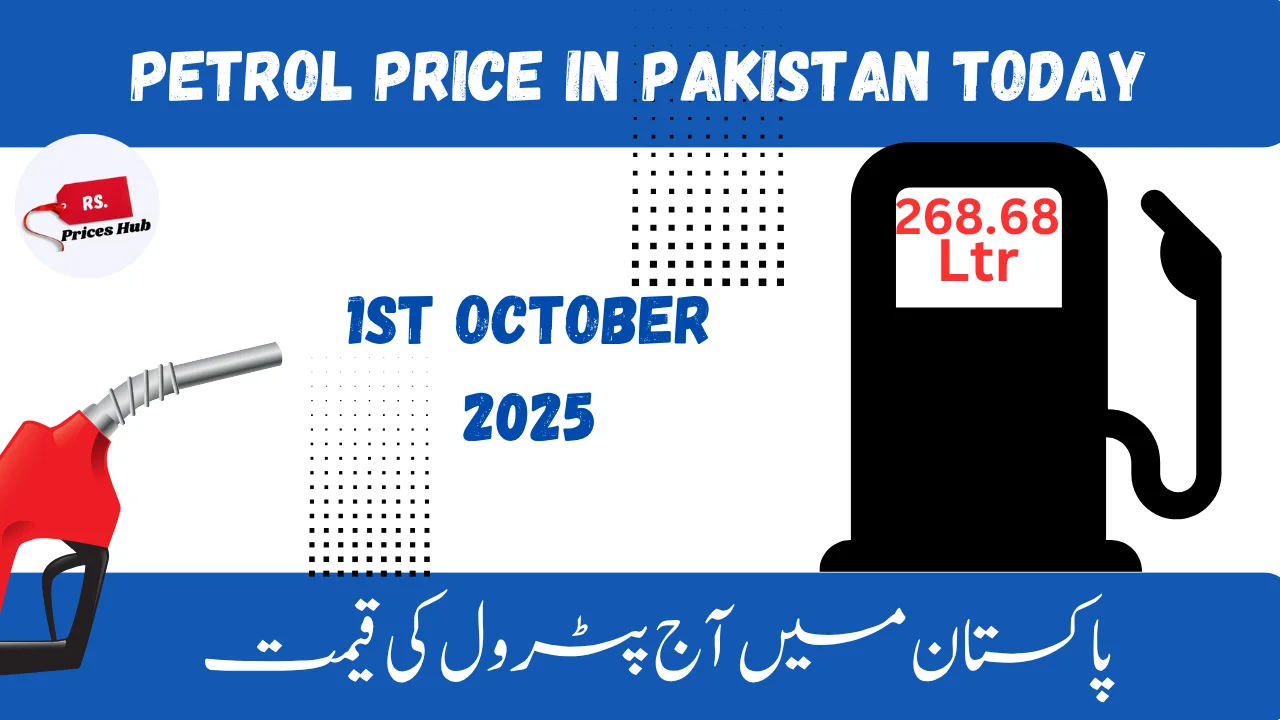
یکم اکتوبر 2025 کو پاکستان میں پیٹرول کی قیمت 4.07 روپے اضافے کے ساتھ 268.68 روپے فی لیٹر ہونے کا اعلان کیا گیا۔ ڈیزل کی قیمت 4.04 روپے اضافے کے ساتھ 276.81 روپے فی لیٹر مقرر کی گئی۔ پٹرولیم کی قیمتیں ہر دو ہفتے بعد ایڈجسٹ کی جاتی ہیں اور ان کا تعین وفاقی حکومت اور آئل اینڈ گیس ریگولیٹری اتھارٹی کرتی ہے، جو حکومتی پالیسیوں، معاشی حالات اور جغرافیائی سیاسی عوامل سے متاثر ہوتی ہے۔
Current vs Previous Fuel Rates
| Fuel | Current Price | Previous price | Change |
| Petrol | 268.68 | 264.61 | +4.07 |
| Diesel | 276.81 | 272.77 | +4.04 |
| LDO | 159.76 | 159.76 | 0.0 |
| Kerosene Oil | 176.81 | 176.81 | 0.0 |
Key Factors Behind Rising Petrol Prices in Pakistan
A variety of interrelated factors have resulted in the rise of petrol prices:
- Rising Global Crude Oil Prices: The international price of crude oil has been increasing, which raises import costs for oil-dependent countries like Pakistan.
- Exchange Rate Pressure: The depreciation of the Pakistani rupee against the US dollar increases the price of imported fuel, putting upward pressure on domestic prices.
- Transportation and Distribution Costs: Expenses related to transporting fuel from refineries to gas stations, which include transport, handling, and regional margins, add to the final price. In Pakistan, the Inland Freight Equalisation Margin (IFEM) is a mechanism used to equalise transport costs across different areas.
- Taxes and Fees: Government-imposed taxes, duties, and levies play a significant role in setting fuel prices. These charges are often modified based on fiscal needs and broader economic policies.
- Regulated Pricing and Government Oversight: In Pakistan, petrol pricing is not solely determined by market conditions; it is regulated and reviewed regularly (typically every 15 days) based on recommendations from OGRA and approvals from the Ministry of Finance and the Prime Minister.
Impact on Households, Businesses & Economy
The rise in petrol prices, although slight in nominal terms, can generate widespread effects across different sectors:
- Transportation Expenses Increase: Public transport, freight, and delivery services will incur greater fuel expenses. These costs are likely to be transferred to consumers as higher fares or additional delivery fees.
- Inflationary Impact: Fuel is a crucial component in numerous supply chains. An uptick in petrol and diesel prices contributes to the overall cost of goods and services, particularly in industries like agriculture, food, and logistics, which further drives inflation.
- Strain on Households: For everyday commuters and those from lower-income families, the increase results in higher monthly expenses. In a situation where inflation has become a significant concern, every extra rupee added to essential costs is significant.
- Business Operating Expenses: Small and medium enterprises (SMEs) reliant on transportation will experience tighter profit margins. Logistics firms, agricultural operations, and businesses with extensive distribution networks will feel the pressure.
- Government Income & Budget Management: While the public pays more, a portion of that hike goes to the government through taxes and duties. This increase assists the government in managing revenues, subsidies, and fiscal shortfalls, although it may also provoke public dissatisfaction.
Petrol Price and Carbon Levy Update
- Petrol Price Adjustment: In Pakistan, petrol prices are adjusted every 15 days. These adjustments are influenced by global oil prices, the exchange rate between the rupee and the dollar, and local production costs.
- Introduction of Carbon Levy: The government has implemented a Carbon Levy on petroleum products as part of its environmental and fiscal strategy.
- Revenue Generation Purpose: This levy serves as a means for the government to generate revenue, which is crucial for addressing budget deficits and funding various development projects.
- Consumer Impact: As a result of this levy, the cost of petrol per litre increases, which in turn contributes to overall inflation.
- Environmental Goal: The primary aim of the Carbon Levy is to discourage the excessive consumption of fuel and to encourage the transition toward cleaner energy alternatives.
Public Reaction to Rising Petrol Prices
- Frustration Among Citizens: Individuals show discontent as rising fuel prices negatively impact household finances.
- Protests & Criticism: Political groups and labour unions frequently organise rallies opposing fuel price increases.
- Social Media Backlash: People voice their disapproval of government actions on social media platforms.
- Reduced Travel & Consumption: Many individuals decrease their vehicle usage or switch to public transportation to save money.
- Demand for Relief: The public urges subsidies, tax reductions, or alternative energy options.
Fuel Prices and Government Budget Deficit
- Increased fuel prices boost government income via taxes and levies.
- This income contributes to lowering the budget deficit and financing development initiatives.
- The government utilises fuel taxation to handle subsidies and fiscal shortfalls.
- Nonetheless, rising prices lead to public discontent and inflationary pressures.
- Striking a balance between revenue requirements and providing relief to consumers presents a significant challenge.
Conclusion
The increase in petrol prices in Pakistan on October 1, 2025, underscores the joint effects of the global oil market, currency devaluation, and government tax policies. Although elevated fuel costs can enhance government revenue and aid in addressing fiscal deficits, they also impose challenges on families, businesses, and the entire economy by driving up inflation and the cost of living. A sustainable solution involves encouraging the use of alternative energy resources, stabilising the currency, and establishing clear fuel pricing strategies to achieve both economic stability and public assistance.
یکم اکتوبر 2025 کو پاکستان میں پیٹرول کی قیمتوں میں اضافہ تیل کی عالمی منڈی، کرنسی کی قدر میں کمی اور حکومتی ٹیکس پالیسیوں کے مشترکہ اثرات کو واضح کرتا ہے۔ اگرچہ ایندھن کے بلند ہونے والے اخراجات حکومت کی آمدنی میں اضافہ کر سکتے ہیں اور مالیاتی خسارے کو حل کرنے میں مدد کر سکتے ہیں، لیکن وہ مہنگائی اور زندگی گزارنے کی لاگت کو بڑھا کر خاندانوں، کاروباروں اور پوری معیشت پر چیلنجز بھی لگاتے ہیں۔ ایک پائیدار حل میں متبادل توانائی کے وسائل کے استعمال کی حوصلہ افزائی کرنا، کرنسی کو مستحکم کرنا، اور اقتصادی استحکام اور عوامی امداد دونوں کو حاصل کرنے کے لیے واضح ایندھن کی قیمتوں کے تعین کی حکمت عملیوں کا قیام شامل ہے۔
FAQ’s
What is the petrol price in Pakistan today (1st October 2025)?
The price of petrol is Rs 268.68 per litre, while diesel costs Rs 276.81 per litre.
How often are petrol prices updated in Pakistan?
Petrol prices are reviewed and adjusted every 15 days by the federal government based on the recommendations of OGRA.
Why do petrol prices keep increasing in Pakistan?
Petrol prices increase due to global crude oil price hikes, rupee depreciation, government taxes, and distribution costs.